
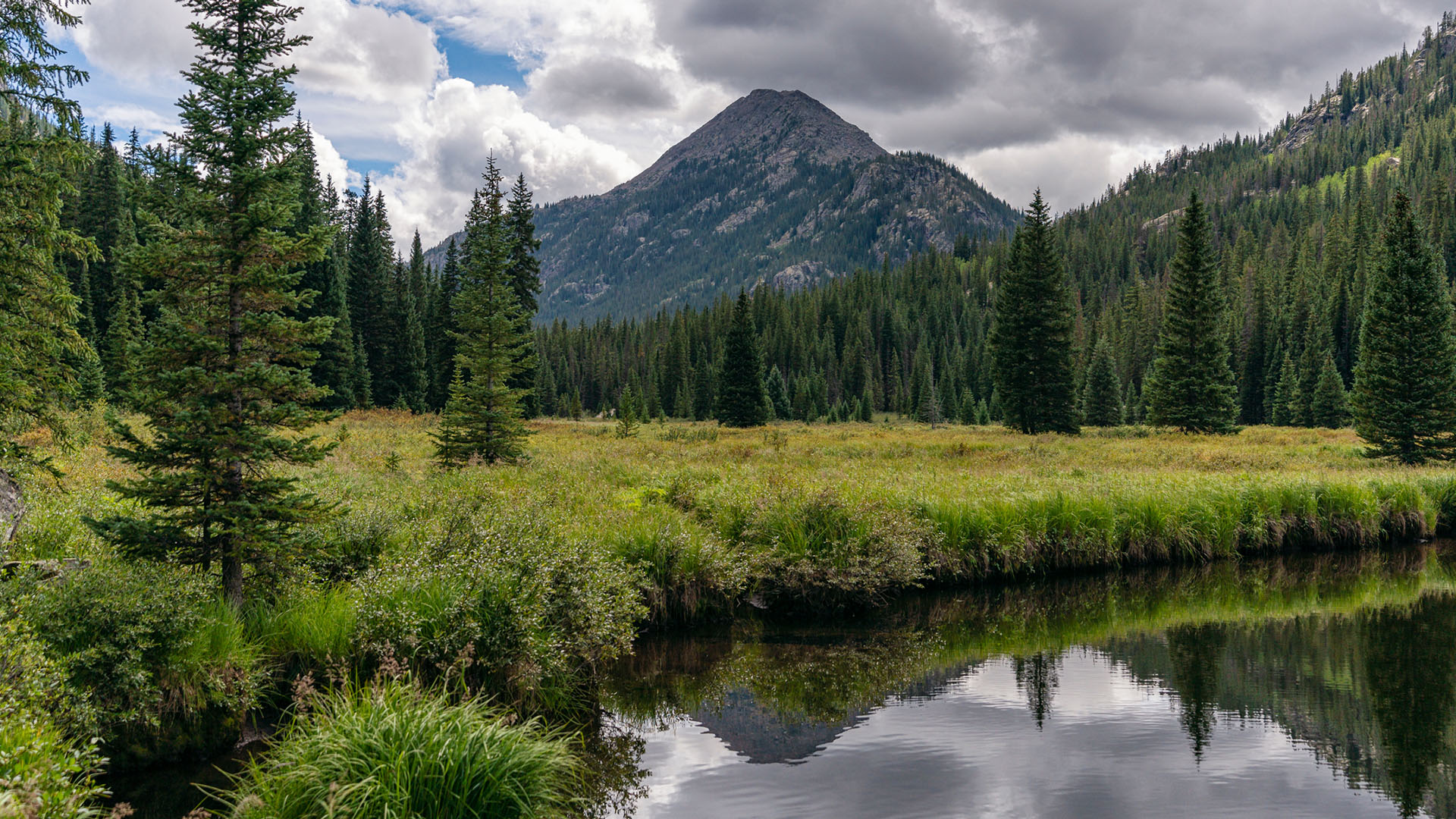
With housing affordability stretched thin in many parts of the country, a new idea is surfacing in national discussions: opening portions of federally owned land for residential development. The federal government, one of the nation’s largest landholders, is exploring ways to make underutilized land available to developers to ease supply constraints and improve affordability.
For real estate agents, this potential policy shift could bring new opportunities and new questions, from buyers and builders alike.
How Much Land Does the Federal Government Own?
The U.S. government currently owns about 28% of all land nationwide, primarily concentrated in western states. In some regions, the numbers are staggering; roughly half of California and nearly 80% of Nevada are federally owned.
While much of this land lies in remote or environmentally sensitive areas, some tracts sit near growing urban centers where residential development could be both feasible and impactful. These locations could become valuable resources for expanding housing inventory, particularly if offered to developers at affordable rates.
The Agencies Behind Federal Land Ownership
Several federal agencies oversee public lands, but three in particular manage the majority of holdings:
- The Bureau of Land Management (BLM) – Oversees most public lands and is the agency most likely to release parcels near urban areas for development.
- The U.S. Forest Service manages national forests and grasslands, often prioritizing conservation but sometimes permitting limited development.
- The National Park Service – Oversees national parks and historical sites, where residential development is generally not permitted.
If land sales occur, the BLM will likely lead the way, collaborating with developers to create affordable housing that meets federal criteria—typically defined as homes where residents spend no more than 30% of their gross income on housing costs.
Why This Matters for Housing Affordability
One of the most significant drivers of housing cost increases is the price of land itself. By releasing federally owned tracts near metropolitan areas, the government could reduce one of the largest expenses in new-home construction, making affordable housing projects more attainable.
There are already successful examples of such initiatives, including:
- Arlington Mill Residences, near Arlington, Virginia, used federal land to provide affordable housing near employment and transportation hubs.
- A 500-acre development in Nevada’s Las Vegas Valley, where land sales have supported large-scale housing efforts.
These examples show how public land can be strategically used to meet private housing demand when development is approached thoughtfully.
Challenges to Watch
Despite the promise, several hurdles remain before large-scale federal land development becomes commonplace:
- Regulatory complexity: Federal land transactions involve multiple agencies and layers of approval, which can slow progress.
- Environmental considerations: Projects must comply with environmental protection laws, which can extend timelines or limit buildable areas.
- Infrastructure needs: Even if land is made available, developers may face high costs in extending utilities, roads, and services to remote sites.
For now, agents should stay informed and ready to guide clients through potential opportunities or shifts in local inventory if nearby federal parcels are released for development.
How Agents Can Add Value
If your market includes significant federally owned land, especially in western states, monitor announcements from your local Bureau of Land Management (BLM) office. Early awareness could position you to connect developers, investors, and buyers as projects unfold.
You can also educate clients about how new land availability could impact home prices, neighborhood growth, and long-term housing trends. Staying ahead of these developments reinforces your role as a knowledgeable, trusted market expert.
Lead with Knowledge. Grow with Fathom Realty.
At Fathom Realty, we equip agents with the insights, data, and tools to navigate changing market dynamics, from interest rate shifts to new development opportunities. Our agent-first culture helps you turn market knowledge into meaningful growth for your business.
Join Fathom Realty today and discover how our innovative platform and supportive community can help you thrive in any market. Learn more at fathomcareers.com
More in Business Building


Latest on the Blog
State Broker for Fathom Realty – Oklahoma
October 14, 2026
|
Read Now

Leading with Purpose in Utah: Meet Carolyn Anderson
September 30, 2026
|
Read Now