
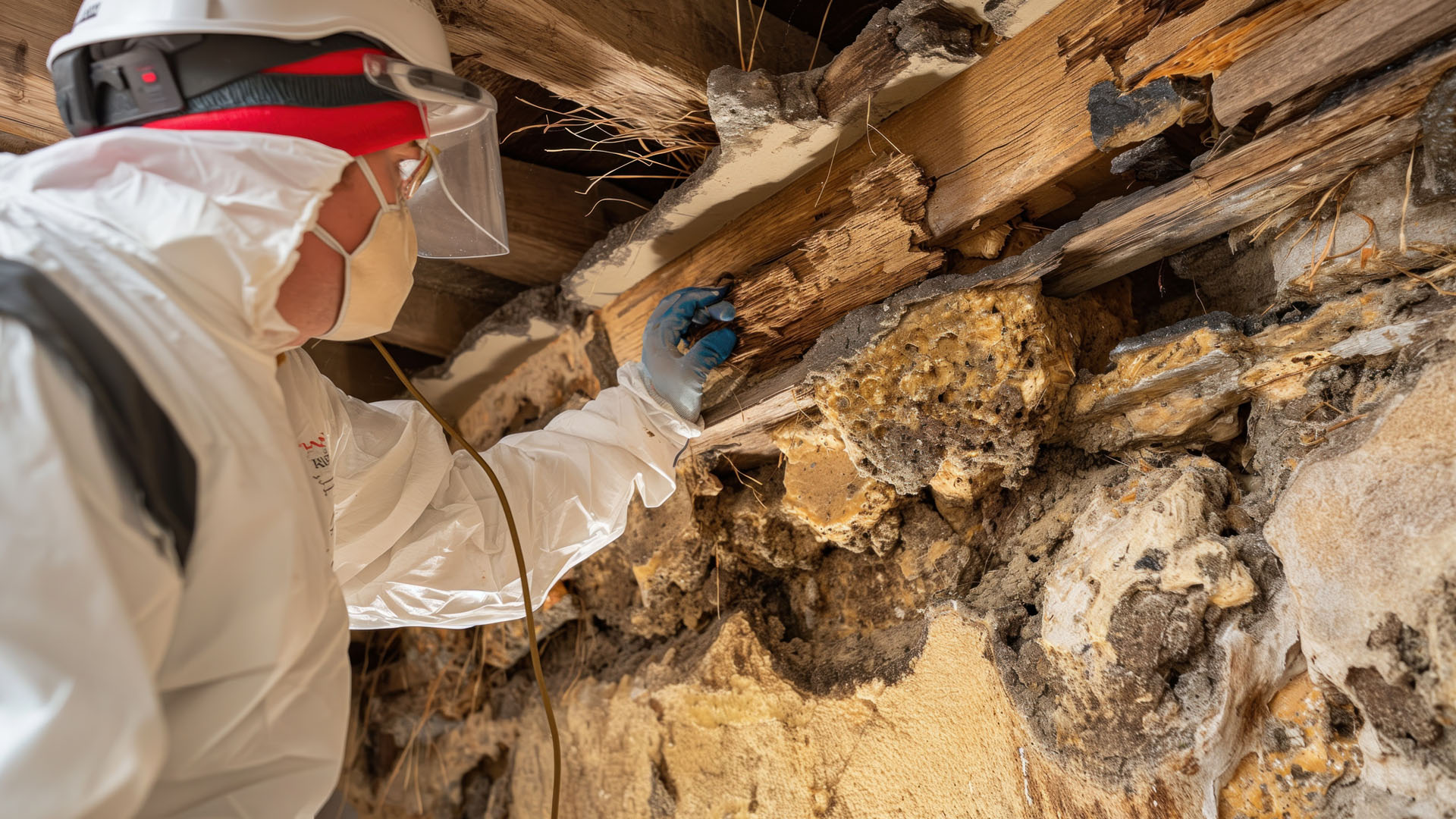
When it comes to buying or selling a home, few things can stop a deal in its tracks faster than evidence of termite damage. Termites cause billions of dollars in property damage every year across the United States, most of it unseen until it’s too late.
As a real estate agent, understanding termite letters, contracts, and bonds is critical to helping clients protect their investments and navigate the transaction process with confidence.
Why Termite Inspections Matter
Termites can silently damage structural beams, floors, and walls—issues that can turn into major expenses if undetected. Before listing or purchasing a home, a thorough termite inspection helps identify any current infestations, past damage, or preventive treatments.
For sellers, a professional inspection and a valid termite letter can reassure buyers that the home is sound. For buyers, that same document can serve as a condition for loan approval, especially for FHA and VA loans, which require it by law.
What Sellers Should Do
If your client is preparing to sell, advise them to schedule a termite inspection early in the process. This ensures there’s time to resolve any issues before the property goes on the market.
A pest control professional will provide a termite letter, which outlines:
- Whether termites were found and the extent of any damage
- What treatment or prevention steps were taken
- Confirmation that the property is currently termite-free
Having this documentation ready helps avoid closing delays and builds buyer trust—particularly in competitive markets where condition matters as much as price.
What Buyers Should Expect
Buyers should understand that a termite letter isn’t just a formality. It’s a protective measure for their financial investment. Mortgage lenders often require it, and even when not mandated, it’s an innovative practice to request one.
In addition, the seller should have a termite contract with a licensed pest control company. These contracts typically:
- The last several years (often five)
- Include regular inspections
- Cover treatments for future infestations
- Offer protective guarantees through a termite bond.
The termite bond assures that if termites reappear within the contract period, extermination and treatment will be performed at no additional cost. Importantly, this bond is transferable to the new homeowner, a benefit agents should confirm before closing.
Guiding Clients Through the Details
Agents can add real value by helping clients understand how these documents fit into the larger real estate process:
- Educate sellers on obtaining the proper inspection and paperwork early.
- Advise buyers to review the termite contract’s transferability and coverage terms.
- Coordinate with lenders to ensure the required documentation is submitted on time.
By taking a proactive approach, agents can help clients avoid last-minute surprises and ensure
Protecting Homes, Strengthening Trust
Termite inspections may not be glamorous, but they’re essential to protecting one of the largest financial transactions most clients will ever make. Helping your clients understand this process positions you as a knowledgeable, trusted advisor—one who safeguards both their property and peace of mind.
Grow Your Real Estate Expertise with Fathom Realty
At Fathom Realty, we believe in empowering agents with the tools, knowledge, and support to guide clients through every detail of homeownership from financing to final walk-through. When you join Fathom, you gain access to comprehensive training, innovative technology, and a nationwide community that helps your business thrive.
Join Fathom Realty today and elevate your career with a brokerage that’s as dedicated to your success as you are to your clients. Learn more at fathomcareers.com.
More in Business Building

The Starter Home Is Evolving: What Today’s Buyers Really Want
March 26, 2026
|
Read Now

Consistent Prospecting Strategies for Real Estate Agents
March 17, 2026
|
Read Now

Latest on the Blog
The Starter Home Is Evolving: What Today’s Buyers Really Want
March 26, 2026
|
Read Now

Consistent Prospecting Strategies for Real Estate Agents
March 17, 2026
|
Read Now